Back to top

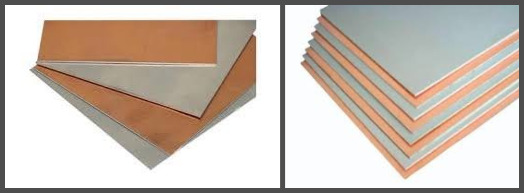
Copper Aluminium Corrosion Resistance Bimetallic Sheet

Copper Aluminium Corrosion Resistance Bimetallic Sheet

Copper Aluminium Corrosion Resistance Bimetallic Sheet Specification

  • Size
  • Standard & Customized
  • Finish
  • Smooth
  • Condition
  • New
  • Surface Treatment
  • Polished
  • Product Type
  • Bimetallic Sheet
  • Shape
  • Plate
  • Strength
  • High Mechanical Strength
  • Hardness
  • 80-110 HB
  • Alloy
  • No
  • Grade
  • C11000 (Copper) / 1060 (Aluminium)
  • Length
  • 1000 mm
  • Width
  • 300 mm
  • Thickness
  • 2 mm
  • Color
  • Sliver Brown
  • Edge Type
  • Straight Cut / Burr-Free
  • Electrical Conductivity
  • 36-57 % IACS
  • Density
  • Varies: Approx. 3.9-7.96 g/cm3
  • Thermal Conductivity
  • 160-200 W/m.K
  • Usage
  • Electrical & Power Distribution, Busbars, Terminals
  • Adhesion Strength (Shear)
  • 60 MPa
  • Copper Layer Thickness
  • 0.15 mm to 3 mm
  • Aluminium Layer Thickness
  • 0.85 mm to 10 mm
  • Corrosion Resistance
  • Excellent - Suitable for Outdoor & Industrial Use
  • Maximum Operating Temperature
  • Up to 120C
  • Applicable Standards
  • ASTM B432 / IEC 61238
  • Bonding Process
  • Explosion Bonded / Roll Bonded
 

Copper Aluminium Corrosion Resistance Bimetallic Sheet Trade Information

  • Minimum Order Quantity
  • 10 Kilograms
  • Payment Terms
  • Cash on Delivery (COD), Cash Advance (CA), Cash in Advance (CID), Cheque, Letter of Credit (L/C)
  • Supply Ability
  • 1000 Kilograms Per Week
  • Delivery Time
  • 15 Days
  • Sample Available
  • Yes
  • Sample Policy
  • Contact us for information regarding our sample policy
  • Main Domestic Market
  • All India
 

About Copper Aluminium Corrosion Resistance Bimetallic Sheet

A bimetallic sheet, also called a bimetal or bimetallic strip, is a composite sheet made by bonding two different metals or metal alloys together. These metals have different coefficients of thermal expansion, meaning they expand and contract at different rates when exposed to temperature changes. This difference creates a bending effect, as one metal expands or contracts more than the other when heated or cooled.

Key Features of a Bimetallic Sheet

Structure: A bimetallic sheet typically consists of two layers of metal, such as steel and copper, steel and brass, or aluminum and steel, which are fused through welding, riveting, or other bonding processes.

Thermal Expansion: Due to the differing thermal expansion coefficients, one side of the sheet will expand more than the other when exposed to heat, causing the sheet to bend or curve. This property is utilized in applications where controlled bending with temperature change is needed.

Common Materials: The most common metals used are those with significantly different thermal properties, such as:

Copper or brass (high thermal expansion) with steel or invar (low thermal expansion).

Aluminum with steel.

Applications: Bimetallic sheets are widely used in thermal control applications, such as:

Thermostats: The bending action of the strip acts as a mechanical switch to control electrical circuits.

Temperature sensors and indicators: Used to indicate temperature changes.

Thermal relays: To switch electrical circuits based on heat.

Working Principle: When the bimetallic sheet is heated, the metal with the higher thermal expansion coefficient expands more, causing the sheet to bend. Upon cooling, the metals contract and return to their original shape. This reversible bending effect can be calibrated and applied for repeated switching or actuation.

Manufacturing Techniques: The two metals in a bimetallic sheet are bonded through various methods such as cladding, rolling, welding, or using adhesives, depending on the desired application and environmental conditions.

In summary, a bimetallic sheet is a versatile component, particularly valuable in temperature-sensitive applications. Its thermal bending property is key to many automatic control systems.


Superior Corrosion Resistance

Copper Aluminium Bimetallic Sheets are designed to withstand harsh environments thanks to their excellent corrosion resistance. This makes them suitable for outdoor settings and demanding industrial applications where exposure to moisture and varying temperatures is common.


Advanced Bonding Techniques

Utilizing explosion bonded or roll bonded processes, these sheets ensure a seamless bond between copper and aluminium layers, achieving reliable adhesion strength of 60 MPa. This manufacturing approach provides long-lasting performance under electrical and mechanical stress.


Versatile Electrical Use

With a strong combination of electrical conductivity (36-57% IACS) and thermal conductivity (160-200 W/m.K), these bimetallic plates are commonly applied in electrical and power distribution systems, particularly for busbars, terminals, and connectors where reliability and efficiency are critical.

FAQ's of Copper Aluminium Corrosion Resistance Bimetallic Sheet:


Q: How are Copper Aluminium Bimetallic Sheets manufactured to ensure durability and strong adhesion between layers?

A: These sheets are produced using either explosion bonding or roll bonding, which creates a metallurgical bond between the copper and aluminium layers. This process results in high adhesion strength (up to 60 MPa) and ensures reliable performance under mechanical and electrical stress.

Q: What are the typical applications for these bimetallic sheets within the electrical industry?

A: They are primarily used in power distribution, electrical busbars, terminal connectors, and other electrical hardware where high conductivity, mechanical strength, and corrosion resistance are essential for reliable and safe operation.

Q: When should I choose explosion bonded versus roll bonded bimetallic sheets?

A: Explosion bonded sheets are typically selected for applications requiring superior bonding strength and larger dimensions, while roll bonded sheets are preferred for their uniformity and cost-effectiveness in standard thicknesses and sizes.

Q: Where can these sheets be used given their corrosion resistance properties?

A: Due to their excellent resistance to corrosion, these sheets are well-suited for both outdoor environments and demanding industrial settings where components must endure exposure to moisture, chemicals, or variable weather conditions.

Q: What are the key benefits of using Copper Aluminium Bimetallic Sheets over pure copper or aluminium?

A: These sheets combine the high electrical conductivity of copper with the lightweight and cost-effectiveness of aluminium, providing improved performance, reduced material costs, and enhanced durability compared to single-metal solutions.

Q: How do I ensure the sheets are compatible with my project requirements?

A: You can specify the required copper and aluminium layer thicknesses (from 0.15-3 mm copper and 0.85-10 mm aluminium), select standard or customized sizes, and choose straight cut or burr-free edges to match your application and performance needs.

Tell us about your requirement
product

Price:

Quantity
Select Unit

  • 50
  • 100
  • 200
  • 250
  • 500
  • 1000+
Additional detail
Mobile number

Email

More Products in Copper Products Category

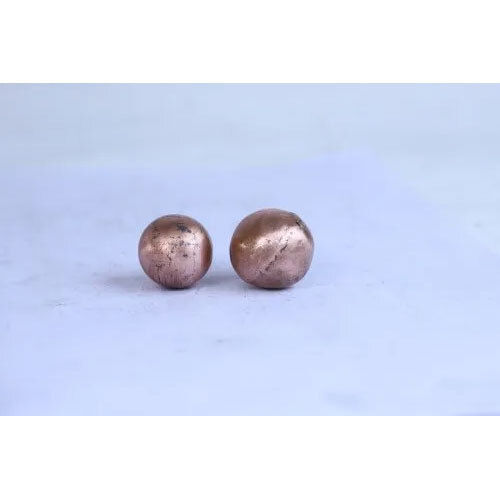
Phosphorized Copper Balls

Phosphorized Copper Balls

Price 650 INR / Kilograms

Minimum Order Quantity : 10 Kilograms

Color : ReddishBrown

Hardness : 75 HV (approx)

Alloy : Other, CopperPhosphorus

Grade : CuDHP (Deoxidized High Phosphorus)
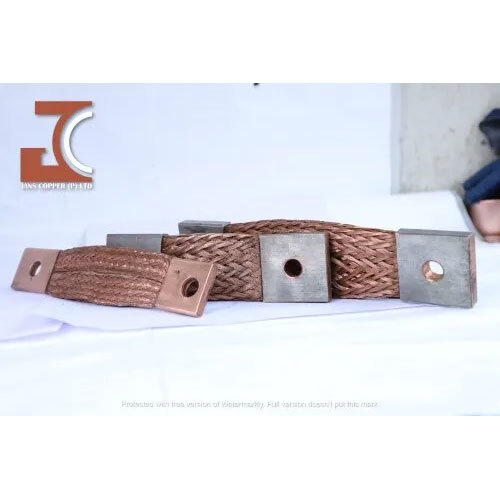
Copper Flexibles Braid

Copper Flexibles Braid

Price 535 INR / Kilograms

Minimum Order Quantity : 100 Kilograms

Color : Golden

Hardness : Yes

Alloy : Yes

Grade : EC Grade

Copper Flexible Link

Copper Flexible Link

Price 750 INR / Piece

Minimum Order Quantity : 10 Pieces

Color : Golden

Hardness : Yes

Alloy : Yes

Grade : Industrial
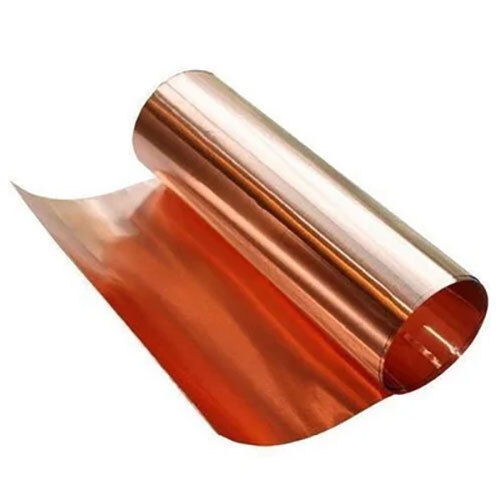
Red Copper Foil

Red Copper Foil

Price 750 INR / Kilograms

Minimum Order Quantity : 100 Kilograms

Color : Golden

Hardness : Yes

Alloy : Yes

Grade : Industrial