Specifications for Laminated Copper Flexible
Laminated copper flexibles are high quality durable and versatile conductors widely used in industries like power generation electronics automotive and telecommunications Heres a detailed breakdown of typical specifications to include on your website
Material and Construction
- Copper Purity 999 Percent Electrolytic Copper
- Copper Grade Typically C11000 or similar ensuring high conductivity
- Lamination Thickness 01 mm to 1 mm custom thickness available
- Layer Count Between 10 and 50 layers based on application
- Width and Length Customizable per requirement commonly in widths of 10100mm and lengths up to several meters
- Insulation Optional insulation layers eg PVC heat shrink or fiberglass sleeves
2 Electrical Properties
- Conductivity 58 MSm Mega Siemens per meter or 100 Percent IACS International Annealed Copper Standard
- Resistance 00171 mmm ensuring minimal power loss
- Current Carrying Capacity Typically 3005000 Amps depending on size and application
- Voltage Drop Designed for minimal voltage drop in applications with high power demands
Mechanical Properties
- Flexibility High flexibility due to multiple thin copper layers laminated together
- Tensile Strength Approximately 200300 MPa
- Elongation Typically 3040 Percent
- Welded Ends Available in crimped welded or bolted formats for secure connections
- Operating Temperature Standard products withstand up to 105 Deg C with high temp variants available
Finishing Options
- Bare Copper Standard finish for most applications
- Tin Plated Provides additional corrosion resistance especially in moist or harsh environments
- Silver Plating Used for high performance applications requiring superior conductivity and resistance to tarnishing
Compliance and Certifications
- RoHS Compliance Free from hazardous substances like lead mercury and cadmium
- ISO Certification Manufactured under ISO 9001 standards
- UL Certification Optional as per customer requirements for added safety standards
FAQs for Laminated Copper Flexibles
Q1 What are the primary applications of laminated copper flexibles
A1 Laminated copper flexibles are commonly used in industries that require efficient current conduction and vibration resistance such as in switch gear transformers battery connections bus bars and grounding in power distribution systems They are also suitable for applications needing heat dissipation and reduced space usage
Q2 How are laminated copper flexibles made
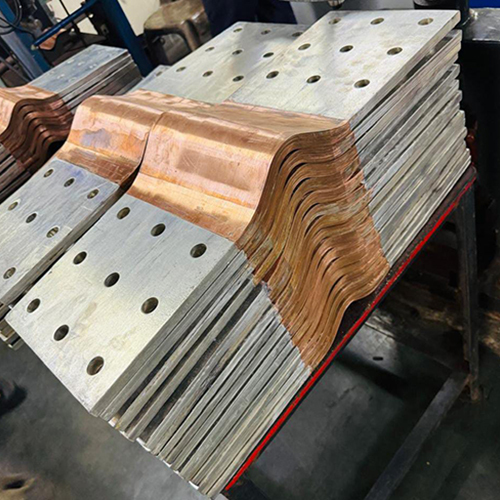
A2 Laminated copper flexibles are created by stacking multiple layers of copper sheets and applying heat and pressure to bond them together This process increases flexibility durability and current carrying capacity making them ideal for high power applications
Q3 What are the benefits of using laminated copper instead of solid copper
A3 Laminated copper provides higher flexibility vibration resistance and ease of installation especially in applications where movement or shock is expected They also handle heat better than solid copper offering better performance under high current conditions
Q4 Can I customize the size length and thickness of laminated copper flexibles
A4 Yes laminated copper flexibles are fully customizable We offer a range of options for width length thickness and even specific shapes or finishing to meet your exact needs
Q5 How much current can laminated copper flexibles handle
A5 The current carrying capacity varies based on the dimensions and thickness of the copper layers Typically our laminated copper flexibles can handle between 300 and 5000 Amps but specific ratings depend on customer requirements and environmental factors
Q6 Are there different finishing options available for laminated copper flexibles
A6 Yes we offer multiple finishing options including bare copper tin plating for enhanced corrosion resistance and silver plating for applications that require extremely low resistance and tarnish resistance
Q7 What is the difference between tin plated and bare copper finishes
A7 Tin plated copper is more resistant to oxidation and is ideal for outdoor or humid environments providing a longer lasting connection than bare copper Bare copper however is generally more cost effective and is suitable for indoor dry environments
Q8 What are the typical standards or certifications for these products
A8 Our laminated copper flexibles comply with ISO 9001 standards for quality management and are RoHS compliant ensuring no hazardous materials UL certification is also available on request for specific projects needing safety compliance
Q9 Can laminated copper flexibles be used in high temperature environments
A9 Yes our standard laminated copper flexibles operate up to 105C while high temperature options can withstand higher temperatures if necessary Please contact us to discuss your specific needs
Q10 How do I know if I need a silver plated or tin plated flexible
A10 If your application is in a highly corrosive environment or requires the absolute lowest contact resistance silver plating is recommended Tin plating is sufficient for standard applications needing corrosion resistance at a more economical price
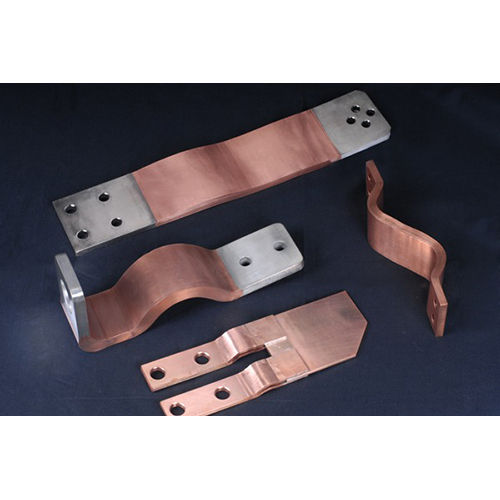
Designed to address challenges in dynamic electrical installations, these copper laminated flexible connectors accommodate movement due to vibration and thermal expansion, making them ideal for demanding applications. Their superior copper construction supports high current loads up to 3000 Amps, ensuring reliable and efficient conductance even in critical utility frameworks.
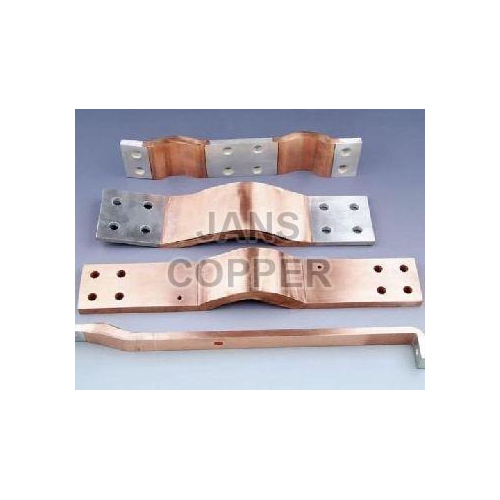
We offer extensive customization options in length, width, cross-sectional area, hole/slot pattern, and even surface treatments such as tin plating. All projects are manufactured according to leading industry standards (IS, ASTM, BS, DIN) to ensure compatibility with global electrical systems. Tailored configuration guarantees seamless integration into complex setups.
FAQ's of Copper Laminated Flexible:
Q: How are copper laminated flexible connectors manufactured?
A: These connectors are crafted using advanced techniques such as pressure and heat welding, riveting, or soldering, which fuse multiple copper foils or strips into a compact, flexible unit. This process delivers both high electrical conductivity and mechanical strength, while allowing the flexible assembly to withstand thermal expansion and vibration.
Q: What applications are these copper flexible connectors best suited for?
A: Copper laminated flexible connectors are typically used in electric panels, bus ducts, switchgears, transformers, and earthing connections, where their high flexibility and excellent current carrying capacity ensure reliable performance in environments subject to movement or temperature changes.
Q: What customization options are available for these connectors?
A: Clients can specify customized lengths, widths (up to 100 mm), thickness (0.1 mm to 3 mm), and shape. Drilled holes or slots can be provided as per drawings, and the surface can be tin-plated for enhanced corrosion resistance. Custom packaging is also available to meet unique shipping needs.
Q: How do these connectors benefit systems prone to vibration or thermal expansion?
A: Their flexible laminated construction absorbs vibration and compensates for thermal expansion or contraction, reducing stress on busbars and connection points. This significantly increases the lifespan and reliability of the electrical installation.
Q: What standards and grades do these products comply with?
A: Manufactured from pure EC Grade (Electrolytic Copper), these connectors adhere to IS, ASTM, BS, and DIN standards, ensuring high performance and international compatibility for diverse industrial use.
Q: When is tin plating recommended for these connectors?
A: Tin plating is advised in installations where enhanced corrosion resistance is required, such as environments with high humidity or chemical exposure. This treatment prolongs connector life and ensures consistent conductivity over time.