About COPPER PIPE AND BRASS PIPE
Copper pipes are versatile tubes made from high-purity copper, known for their exceptional durability, corrosion resistance, and thermal and electrical conductivity. Copper piping is widely used in various sectors, including:
- Plumbing: For potable water systems due to its ability to resist corrosion and provide a safe, non-reactive surface for water. It is also resistant to bacterial growth and helps maintain water quality.
- HVAC: In heating, ventilation, and air conditioning systems, copper pipes carry refrigerants and withstand high and low temperatures effectively.
- Gas Lines: Copper's resilience and leak-proof properties make it suitable for natural gas and propane lines.
- Industrial Applications: Used in machinery and processing systems that require corrosion-resistant and conductive tubing.
Copper pipes come in different types (Type K, Type L, Type M) that vary in wall thickness and are selected based on specific requirements for pressure resistance and durability. Additionally, they are flexible (annealed) or rigid, making installation easier for complex systems. Copper pipes are available in various diameters and lengths, with options for both straight and coiled formats, allowing adaptability to different construction needs.
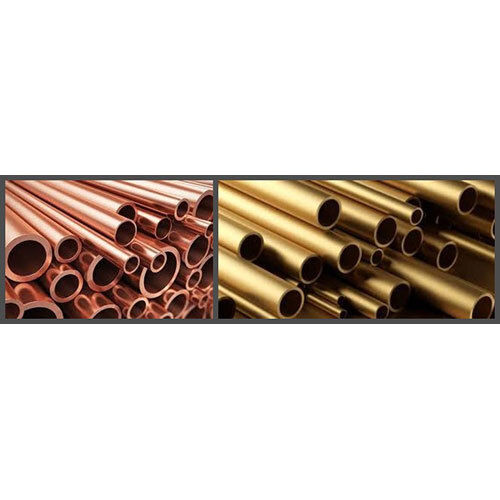
Exceptional Conductivity and DurabilityBoth copper and brass pipes are engineered for outstanding electrical and thermal conductivity, making them ideal for demanding environments. Their superior corrosion resistance ensures longevity, even in challenging atmospheric and water-based settings. The high tensile strength and varied hardness levels further enhance their reliability for structural and utility applications.
Wide Range of Sizes and CustomizationThese pipes come in inner diameters from 4 mm up to 95 mm and can be supplied in tailored lengths from 1 to 6 meters. Multiple wall thickness options and surface treatments such as polishing or annealing enable seamless integration into your project, whether it's industrial, commercial, decorative, or residential.
Versatile Applications and Easy ProcessingCopper and brass pipes are designed for plumbing, HVAC, refrigeration, gas lines, and ornamental use. They are easy to bend and join using welding, soldering, or brazing, streamlining installation and maintenance. Both materials deliver dependable performance in pressure systems, supporting ratings up to 600 psi, depending on pipe size.
FAQ's of COPPER PIPE AND BRASS PIPE:
Q: How do I select between copper and brass pipes for my project?
A: Copper pipes are generally preferred for plumbing and electrical conductivity applications, thanks to their purity and reliability. Brass pipes, with their enhanced machinability and corrosion resistance, are excellent for decorative, HVAC, and certain industrial usages. Consult with your supplier to match material properties with your specific requirements.
Q: What is the manufacturing process for copper and brass pipes?
A: These pipes are manufactured via drawing, extrusion, or pressing, depending on the required specification and application. After shaping, surface treatments such as polishing, annealing, or electrolytic finishing are applied to enhance appearance and performance.
Q: When will my order be delivered after placing it?
A: Delivery times typically range from 7 to 30 days after order confirmation, depending on the required size, quantity, and any custom specifications. International delivery times may vary based on logistics.
Q: Where are these pipes commonly used?
A: Copper and brass pipes are widely utilized in plumbing, HVAC systems, refrigeration units, gas pipelines, and decorative installations due to their adaptability and resilient properties.
Q: How are copper and brass pipes joined during installation?
A: These pipes are easy to work with and can be joined using welding, soldering, or brazing techniques. Their formability allows for effective bending and fitting on-site, facilitating hassle-free installation.
Q: What are the benefits of using copper or brass pipes in my system?
A: Key benefits include outstanding corrosion resistance, high strength, ease of installation, superior conductivity, and availability in lead-free grades. This ensures longevity, safety, and efficiency across applications.
Q: Is there a difference in weight between copper and brass pipes?
A: Yes, copper pipes are slightly denser (8.96 g/cm3) compared to brass pipes (8.44 g/cm3). The actual weight depends on pipe length, diameter, and wall thickness.







 Send Inquiry
 Send Inquiry
 Send SMS